AI adoption is the strategic cornerstone of modern business success, serving as the primary catalyst for operational efficiency in today’s landscape. From automating tedious administrative burdens to augmenting complex decision-making, artificial intelligence presents a massive competitive advantage.
Because of this, organizations are rushing to procure cutting-edge AI software, often expecting an immediate “plug-and-play” return on investment. Yet, many find themselves facing a plateau: they have the tools, but they lack the results.
The reality is that purchasing AI technology is merely the beginning. True AI adoption is not found in a software license; it is found in the deliberate preparation of your people, the rigorous redesign of your workflows, and the cultivation of a culture that views intelligence as a core operational capability. For deeper insights on organizational readiness, see the Harvard Business Review guide to AI strategy.
What Is AI Adoption?
AI adoption is the strategic process of weaving machine intelligence into the fabric of your organization—its culture, its processes, and its decision-making logic.
Many businesses fall into the “License Fallacy,” assuming that granting employees access to an AI tool is synonymous with increased productivity. In practice, genuine adoption requires a more holistic investment:
AI Literacy: Bridging the knowledge gap.
Active Leadership: Setting the tone from the C-suite down.
Governance: Ensuring ethical and secure deployment.
Continuous Evolution: Adapting as the technology matures.
Buying AI Tools vs. Adopting AI
Buying AI Tools (Transactional)
Adopting AI (Transformational)
Focuses on software licenses.
Focuses on workforce literacy.
Deploys platforms in isolation.
Integrates AI into daily workflows.
Expects “instant” gains.
Identifies high-impact use cases.
Treats it as a technology cost.
Treats it as organizational change.
Technology provides the potential for change. People provide the execution of it.
The Four Pillars of an AI-Ready Organization
To move beyond “shelfware” and into high-performance integration, organizations must build upon these four pillars to support sustainable AI adoption:
Cultivating AI Literacy: Employees must move past the fear of AI to understand its nuance. They need to master the “human-in-the-loop” approach—knowing exactly when AI provides value and when human judgment is the essential final filter.
Workflow Integration: AI should be invisible, not a destination. If an employee has to deviate from their established workflow to access an AI tool, friction increases and adoption plummets. AI must be embedded directly into research, content creation, data analysis, and documentation pipelines.
Leadership-Led Culture: If leadership isn’t modeling the behavior, the staff won’t follow. Success requires a culture that rewards experimentation, encourages “smart failures,” and incentivizes innovation over rigid adherence to legacy processes.
Continuous Learning: AI adoption is not a static goal; it is a rapidly evolving ecosystem. One-time training is obsolete within months. Organizations must implement persistent learning cycles to remain ahead of the curve.
Measuring What Matters
If you are measuring success by the number of licenses active, you are measuring the wrong things. True AI adoption is reflected in business outcomes:
Velocity: Faster project delivery and shorter turnaround times.
Productivity: Increased output per employee without increased burnout.
Quality: Higher-fidelity decision-making and improved customer experiences.
Innovation: A measurable increase in new ideas and process improvements.
Buying AI software is the easy part. Building an organization that can harness it requires strategy, sustained leadership, and a commitment to change management.
The competitive advantage of the next decade will not belong to the companies that own the most tools. It will belong to the companies that have built the most capable people-driven processes.
Is your organization truly prioritizing AI adoption, or just buying it?
At Uptouch Media Labs, we specialize in closing the gap between software implementation and operational transformation. From workflow engineering to company-wide AI literacy, we help you translate technology into tangible business value.
Given this framework, which of the four pillars: Literacy, Workflow Integration, Leadership, or Continuous Learning do you feel is the biggest bottleneck in your current environment?
Artificial Intelligence (AI) has moved beyond being a futuristic concept. Today, businesses across industries are using AI to automate repetitive tasks, improve customer experiences, generate insights from data, and increase operational efficiency.
Yet, many organizations make the same mistake: they rush to buy AI tools before deciding why they need AI in the first place.
The result? Expensive software that goes unused, disconnected AI initiatives, frustrated employees, and little measurable business impact.
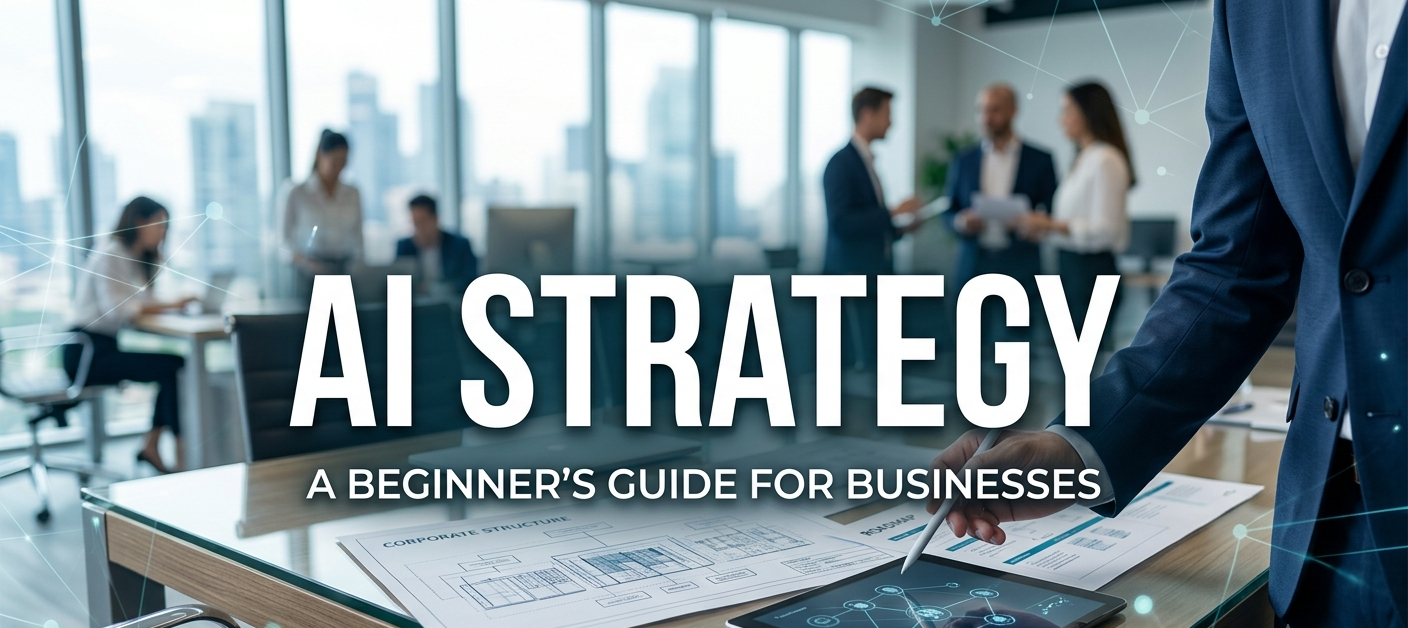
This is where an AI strategy becomes essential. Instead of asking, “Which AI tool should we buy?” businesses should first ask: “How can AI help us achieve our business goals?”
What Is an AI Strategy?
What Is an AI Strategy?
An AI strategy is a structured plan that defines how an organization will use artificial intelligence to achieve specific business objectives. It goes beyond selecting software or experimenting with new technologies.
A strong AI strategy answers questions such as:
What business problems should AI solve?
Which processes should be automated?
What data do we already have?
What skills does our team need?
Which AI investments will deliver the greatest return?
How will we measure success?
Think of it as a roadmap that aligns AI initiatives with your organization’s overall business strategy. Without this roadmap, AI becomes a collection of isolated experiments rather than a driver of business growth.
Understanding the AI Spectrum
It is important to remember that “AI” is not a monolith; your strategy should reflect the type of tool you actually need. Your plan might involve:
Basic Automation: Using AI to handle routine, rule-based tasks (e.g., automated email sorting or data entry).
Predictive Analytics: Using historical data to forecast trends (e.g., inventory demand or customer churn).
Generative AI: Using large language models to assist with creative work, content production, or coding.
Distinguishing between these categories prevents “over-engineering.” You don’t need a complex generative AI model for a task that a simple automation script can handle.
Why Every Business Needs an AI Strategy
Many businesses are adopting AI because their competitors are. Unfortunately, following trends without direction often leads to wasted investments.
Practical Example: Scaling Personalized Customer Service
Consider a mid-sized e-commerce retailer struggling with high customer support volume. Instead of blindly purchasing an expensive enterprise AI suite, they identify their primary bottleneck: repetitive inquiries about order status. By implementing a focused AI-driven chatbot specifically trained on their shipment data, they reduce support tickets by 40%. This wasn’t just a tech upgrade; it was a strategic choice that allowed human agents to focus on complex, high-value customer interactions. This is the definition of “Strategy First”: solving a specific pain point rather than adopting AI for the sake of the trend.
A well-designed AI strategy also helps organizations:
Align AI With Business Goals: When AI initiatives support business objectives (like reducing costs or growing revenue), they become easier to justify and measure.
Avoid Costly Mistakes: It helps prioritize investments that deliver measurable value, preventing the purchase of overlapping or unused software.
Improve Decision-Making: By ensuring you have a reliable data foundation, you ensure AI generates meaningful, accurate recommendations.
Increase Employee Adoption: A strategy includes change management, ensuring employees receive the training and support they need to view AI as a partner rather than a threat.
Stay Competitive: Competitive advantage comes from using AI intentionally to innovate and scale, not simply owning the software.
The Core Components of an AI Strategy
While every roadmap is unique, most successful strategies include:
Business Objectives: Start with outcomes (e.g., reduce response times, increase sales). Business goals must always come before technology.
Current Process Assessment: Analyze where bottlenecks exist and which tasks are repetitive to reveal the best opportunities for AI.
Data Readiness: Evaluate your data availability, quality, and security. Poor data produces poor AI outcomes.
Technology Selection: Only evaluate specific tools once your needs are clearly defined.
Workforce Readiness: Focus on training, digital skills, and fostering a culture of responsible AI use.
Governance and Risk:
Responsible AI:Establish policies for data privacy, security, and human oversight.
Managing “Shadow AI”: In today’s workplace, employees often experiment with AI tools on their own, a phenomenon known as “Shadow AI.” A robust strategy doesn’t just block these tools; it provides clear, safe channels for employees to use them. By creating an “Approved Tool List” and providing guidelines on what data can (and cannot) be shared with public AI models, leadership transforms a potential security risk into a safe, collaborative environment.
Measurement: Monitor productivity, cost savings, and ROI to refine the strategy over time.
Common Mistakes to Avoid
Starting with tools instead of problems: Never buy software before defining the business goal.
Trying to automate everything: Start with high-impact, low-complexity opportunities.
Ignoring employee concerns: Transparent communication is key to reducing resistance.
Expecting instant results: AI transformation is a long-term, iterative process.
How Small Businesses Can Start
You don’t need a massive budget to build an AI strategy. Follow these steps:
Identify one major business challenge.
Evaluate whether AI can realistically solve it.
Assess your current data and workflows.
Pilot one small AI initiative.
Measure results and refine.
Expand gradually based on proven success.
AI Strategy Is a Business Strategy
Ultimately, AI strategy isn’t primarily about artificial intelligence; it’s about improving how the business operates. AI is simply the tool that enables that transformation.
Developing an AI strategy doesn’t have to be a solo journey. If you’re ready to move from “AI curiosity” to “AI implementation,” Uptouvh Media Labs is here to help you identify the highest-impact opportunities for your unique business needs.
Book a 30-minute consultation call, and let’s discuss how we can help you build a practical, goal-oriented AI strategy tailored to your business objectives.
Whether you’re just beginning your AI journey or looking to scale existing initiatives, strategy should always come before software. Because businesses don’t become AI-powered by purchasing tools, they become AI-powered by building systems, processes, and cultures that use those tools effectively.
The system was procured. The vendor was impressive in the pitch. The pricing looked right. And eighteen months later, your team has built workarounds for every core process the software was supposed to replace.
This is where the build vs buy question usually gets asked, after the wrong choice has already been made. The question is valid. The timing is the problem.
Most organisations approach this as a technology decision. It is not. It is a business decision that touches risk appetite, competitive positioning, total cost of ownership, and the internal capability your organisation actually has, not the capability it plans to have. Get the framing right before you get to the options.
Why the Build vs Buy Decision Gets Made Wrong
The most common failure pattern looks like this: procurement leads the decision. The IT department sends out RFPs. Three vendors present. The cheapest with the most features wins.
What never gets asked: Does this software fit how we actually operate? Can it be configured for our specific context: our languages, our approval chains, our offline requirements, our customer base? What happens when we need something it cannot do?
The build vs buy decision gets made wrong because it is made late, by the wrong people, and without a clear picture of what the organisation is actually trying to accomplish. Technology selection is downstream of strategy. If the strategy is unclear, the selection will be wrong regardless of which path you choose.
The other mistake is treating this as a one-time binary. Build or buy is not a permanent choice. It is a decision point that needs to account for where your organisation is now, where it is going, and how fast the gap between those two points is likely to close.
The people in the room matter as much as the options on the table. If this decision is being made without your CEO, your CFO, and whoever owns the process being digitised, the output will be a technology opinion, not a business decision.
Urgency is the enemy of this decision. When organisations are under pressure to ‘just get something live,’ they buy. And buying under urgency almost always means buying the wrong thing.
What You Are Actually Choosing Between: Build vs Buy
When you buy software, you are purchasing someone else’s assumptions about how your process should work. That is not inherently wrong if their assumptions match your reality, a bought solution is faster, cheaper to stand up, and comes with an existing support infrastructure.
The problem is when the assumptions don’t match. And in the African enterprise context, they frequently don’t. The ERP built for a European manufacturing company does not account for intermittent connectivity. The HR platform designed for a US workforce does not handle your payroll structure. The CRM that works for a subscription business does not map onto a cash-first, relationship-driven sales model.
When you build, you are purchasing flexibility and fit, and you are paying for it in time, cost, and internal capability requirements. A custom-built system can do exactly what your organisation needs. It can be designed around your real processes, your actual users, and your specific constraints. But only if those processes are well-defined before the build begins. Building on top of unclear processes produces expensive confusion.
The real choice is not between building and buying. It is between speed and fit, and the right answer depends entirely on how large the gap between generic and specific is for your use case.
Off-the-shelf software has a configuration ceiling; most bought solutions can be configured up to a point, and then they cannot. Know where that ceiling is before you commit.
Custom development has a capability requirement for building works when you have the right development partner and the internal discipline to specify requirements clearly. Without both, building becomes a more expensive mistake.
The Four Questions That Should Drive the Build vs Buy Framework
Before any vendor meeting, before any internal IT discussion, these four questions need honest answers.
First: Is this process a competitive differentiator or a commodity function? If the process you are digitising is something every organisation in your sector does the same way: payroll, basic accounting, standard HR, buying is almost always the right call. If the process is where you are differentiated, or where you intend to be, building gives you the control that matters.
Second: What is the total cost of ownership, not the purchase price? The cheapest software on your shortlist will likely cost you three times its price tag over four years when you factor in configuration, customisation, integration, training, maintenance, and the cost of gaps. Run the full number before you compare options.
Third: How much configurability do you actually need? Most organisations overestimate this. Most bought platforms cover 80% of requirements out of the box. The question is whether that remaining 20% is a minor inconvenience or a fundamental operational problem.
Fourth: Does your organisation have the internal capacity to absorb what you choose? A custom-built system requires internal champions who understand it well enough to manage it, train others, and evolve it over time. A bought system with a complex configuration requires someone who owns that configuration. Neither choice works without organisational readiness, and most transformation failures stem from this gap.
When to Build, When to Buy, and When the Question Is Premature: Your Build vs Buy Guide
Build when: the process is genuinely unique to your organisation, when bought alternatives require so much customisation that you are effectively building anyway, when you are creating a system that will be a product or a platform not just an internal tool, and when you have the development partnership and internal discipline to do it properly.
Buy when: the process is standard across your sector, when speed to deployment is a strategic priority, and the fit is close enough, when your organisation does not have the capacity to absorb a multi-month development engagement right now, and when a configurable off-the-shelf solution covers your core requirements with a manageable gap.
The question is premature when: your processes have not been mapped and documented before the technology decision, when you do not have clarity on what success looks like eighteen months after go-live, and when the decision is being driven by a vendor pitch or a competitor’s announcement rather than your own strategic needs.
We have seen organisations build when they should have bought, spending eighteen months and a significant budget on a custom system for a function that three established platforms handle well. We have also seen organisations buy when they should have built, forcing a generic platform onto a highly specific operational context and spending years in painful workarounds. The framework does not change. The inputs do.
The right answer is always the one that your organisation can actually absorb, maintain, and evolve. A system that works at go-live and breaks down at scale is not a success. Sustained performance is the measure, not the deployment date.
The hybrid path: buy the foundation, build the differentiation, is increasingly the right answer for organisations that need to move quickly but operate in genuinely specific contexts.
Vendor lock-in is a long-term cost that rarely appears in the initial evaluation. Know what it costs to leave before you commit to stay.
What Build vs Buy Decision Looks Like in African Organisational Contexts
The African enterprise context introduces variables that imported decision frameworks consistently underweight.
Connectivity is real. A system that requires constant internet access is not a viable solution for operations in areas with unreliable infrastructure, regardless of how impressive the software is. This eliminates or significantly complicates a large portion of cloud-based off-the-shelf options for certain use cases.
Multilingual workforces are real. A platform configured only in English creates adoption barriers in organisations where the working language of operations is not English. User adoption, the variable that determines whether any system actually delivers value depends on people being able to use the tool without friction.
Cash-dependent customer interactions are real. A CRM or payment system designed for card-first or subscription-based markets does not map onto businesses where a significant portion of revenue flows through cash, mobile money, or informal channels.
These are not edge cases. They are the operating reality of a large proportion of African organisations. The build vs buy question, answered honestly in this context, tilts toward build more often than global benchmarks suggest, not because African businesses should be building everything, but because the configurability gap is frequently larger here than bought-solution vendors acknowledge.
This is not an argument against buying. It is an argument for evaluating bought options against your actual operating context, not the context the software was designed for.
Before your next vendor meeting or internal technology decision, run your use case through the four questions in this post. If you cannot answer all four clearly, that is where the conversation needs to start, not with software options.
If you want a structured walkthrough of how this framework applies to your specific situation, that is the conversation we have at the beginning of every engagement. Get in touch, and we will start there. Book a consultation call with Uptouch Media Labs today.
Then came three more demos, a spreadsheet comparing eighteen features, two postponed team meetings, and a strategy session that produced no decision.
That is decision paralysis, and it is one of the most expensive problems inside African organisations today. Not expensive in an obvious way. There is no invoice. No failed system to point to.
The cost is invisible; it shows up as lost momentum, delayed execution, and teams that quietly stop waiting for direction and start improvising. This is not about indecisive people. It is what happens when an overwhelming number of tools—hundreds of SaaS products, each promising a better solution—collide with the pressure of getting a technology decision wrong.
The result is not careful thinking. The result is no decision at all.
Why Decision Paralysis Hits Hardest During Digital Transformation
During digital transformation, every decision feels heavier than it should.
Leadership has already committed publicly to change, the team is watching, the board is watching, and somewhere in the background is the memory of the last system that was purchased and never adopted.
That fear is valid. But it is often misdirected.
Most executives are not afraid of choosing the wrong tool, they are afraid of being held accountable for a visible failure. So decisions get deferred, more vendors are invited, more reviews are scheduled. The organisation slows down not because it lacks resources, but because deciding feels riskier than waiting.
But waiting is never neutral. Every week without a decision means:
The SaaS Overload Problem Specific to African Founders
A decade ago, African businesses struggled to find the right tools. Today, the problem is the opposite.
There are too many options—and most are not built for your reality.
A founder in Abuja, Lagos, or Nairobi can evaluate:
Project management tools
CRMs
ERPs
Communication platforms
Finance systems
AI tools
Each comes with a compelling demo and strong social proof. But more options do not simplify decisions; they complicate them.
The research is consistent on what’s often referred to as the Paradox of Choice: more options increase cognitive load, reduce decision quality, and delay commitment.
Technology strategy for founders is critical to ensure every investment drives real business outcomes. Many founders today face endless options from AI tools and automation systems to custom software and digital platforms but without a clear strategy, it’s easy to invest in solutions that create more complexity than clarity.
Many organizations implement tools, platforms, or software without fully understanding whether those solutions solve their actual problems which results to wasted budgets, fragmented systems, and technology that fails to deliver value.
Before committing to any technology investment, founders should pause and ask the right questions. In this article, we’ll share 5 essential questions every founder should ask before investing in technology, so your decisions are strategic, informed, and aligned with long-term business growth.
Technology Strategy for Founders: 5 Key Questions Before Any Investment.
1. What Business Problem Are We Actually Trying to Solve?
Technology should never be the starting point. The starting point should always be the business problem. Too often, organizations adopt new tools simply because they are trending or widely recommended. However, if the problem is not clearly defined, the technology chosen may not address the root issue.
Before investing in any technology, founders should ask:
What operational challenge are we facing?
What inefficiency are we trying to eliminate?
What outcome do we want to achieve?
For example, a company might believe it needs an AI solution when the real issue is simply poor workflow management. In such cases, implementing AI would add complexity without solving the actual problem.
Clarity about the problem ensures that technology becomes a solution, not an experiment.
2. Do We Need Technology, or Do We Need Better Processes?
Not every problem requires a new platform or software system. Sometimes, what appears to be a technology problem is actually a process problem.
For example:
Teams may struggle with communication, not because they lack tools, but because workflows are unclear.
Data may be inconsistent, not because software is missing, but because internal processes are poorly defined.
In many cases, improving processes can produce better results than implementing new technology.
Founders should evaluate whether:
Existing tools are being used effectively.
Teams have clear processes.
The problem could be solved through operational improvements.
Only after these questions are addressed should new technology be considered.
3. Should We Build a Custom Solution or Buy an Existing One?
This is one of the most important strategic technology decisions a company can make.
Buying software is usually faster and less expensive upfront. However, off-the-shelf tools may not fully align with the company’s workflow.
Custom development offers flexibility and long-term scalability, but it requires greater investment and planning.
To make the right decision, founders should evaluate:
How unique their operational needs are
Whether existing tools already solve most of the problem
The long-term scalability requirements of the business
Seeking technology advisory for businesses ensures informed, strategic decisions rather than reactive ones.
4. Do We Have the Expertise to Make This Decision?
Technology decisions are complex, especially when they involve AI systems, integrations, infrastructure, or custom development.
Many founders are experts in their industries but may not have deep technical expertise. As a result, they often rely entirely on vendors or developers to guide their decision-making.
This can create vendor bias, where recommendations are influenced by what vendors sell rather than by the organization’s true needs.
Before committing to any technology investment, founders should consider:
Do we have objective technical guidance?
Are we relying solely on vendors for advice?
Do we fully understand the long-term implications of this technology?
Independent technical advisory can provide unbiased insights that help organizations make informed decisions rather than reactive ones.
5. How Will This Technology Deliver Measurable Value?
Every technology investment must connect to clear business outcomes. If a company cannot define how a technology investment will deliver value, it becomes difficult to measure whether the investment was successful.
Before implementing any system, founders should define:
The specific results they expect from the technology
The metrics that will indicate success
The timeframe for achieving those outcomes
For example, a company adopting automation tools may aim to:
Reduce manual processing time by 40%
Improve customer response time
Increase operational efficiency
When technology investments are tied to measurable outcomes, organizations can evaluate performance and ensure that their investment is delivering real value.
Why Technology Strategy Matters
Technology decisions should never be made impulsively. They require a clear understanding of business goals, operational challenges, and long-term growth plans.
Without a defined strategy, organizations risk:
Adopting unnecessary tools
Building systems that do not scale
Wasting resources on poorly aligned technology
A thoughtful approach to technology ensures that every investment contributes to efficiency, innovation, and sustainable growth.
Technology can transform organizations, but only when it is implemented with clarity and purpose.
By asking the right questions before making technology investments, founders can avoid costly mistakes and ensure that their technology choices support their long-term vision.
The goal is not simply to adopt new tools but to build a technology strategy that drives meaningful business outcomes.
Need Help Making the Right Technology Decisions?
If your organization is planning a major technology initiative and needs objective technical guidance, UpTouch Media Labs helps leaders build a technology strategy for founders that ensures every investment, whether AI adoption, software development, or digital transformation—delivers measurable value. Book a consultation call with us todayto explore the right strategy for your organization.
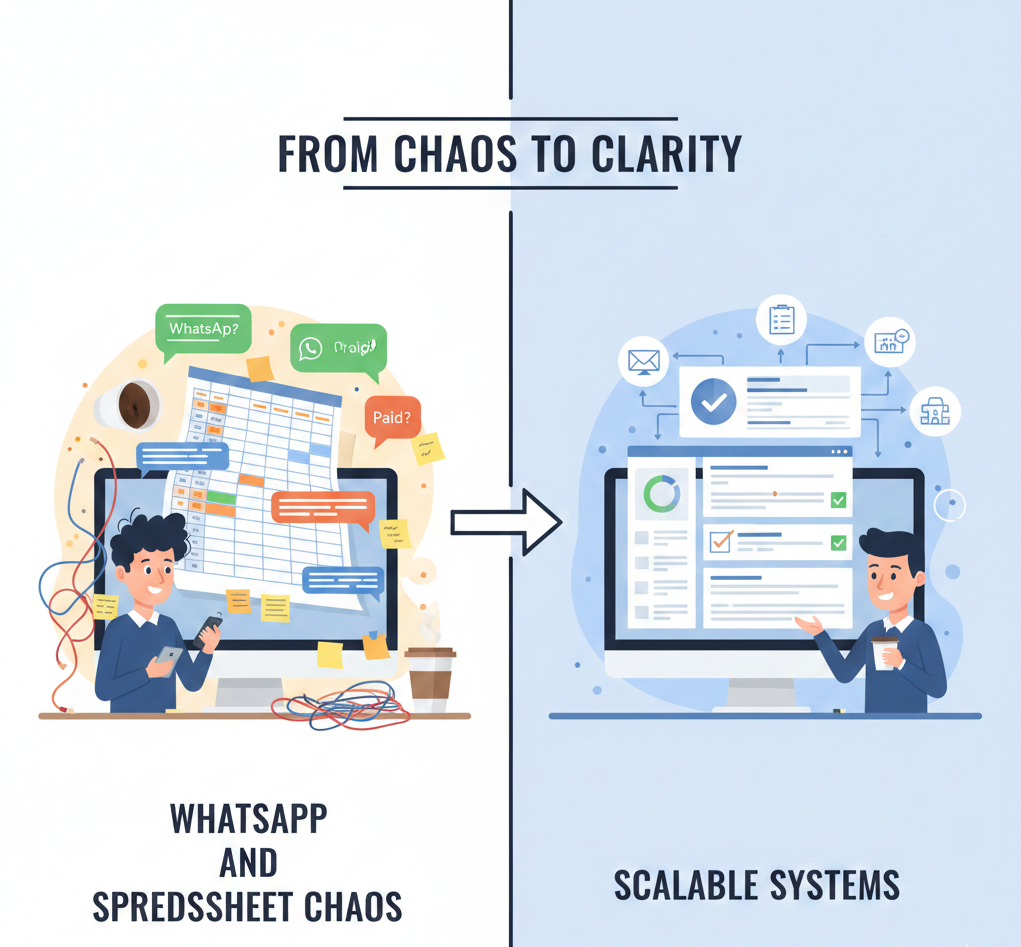
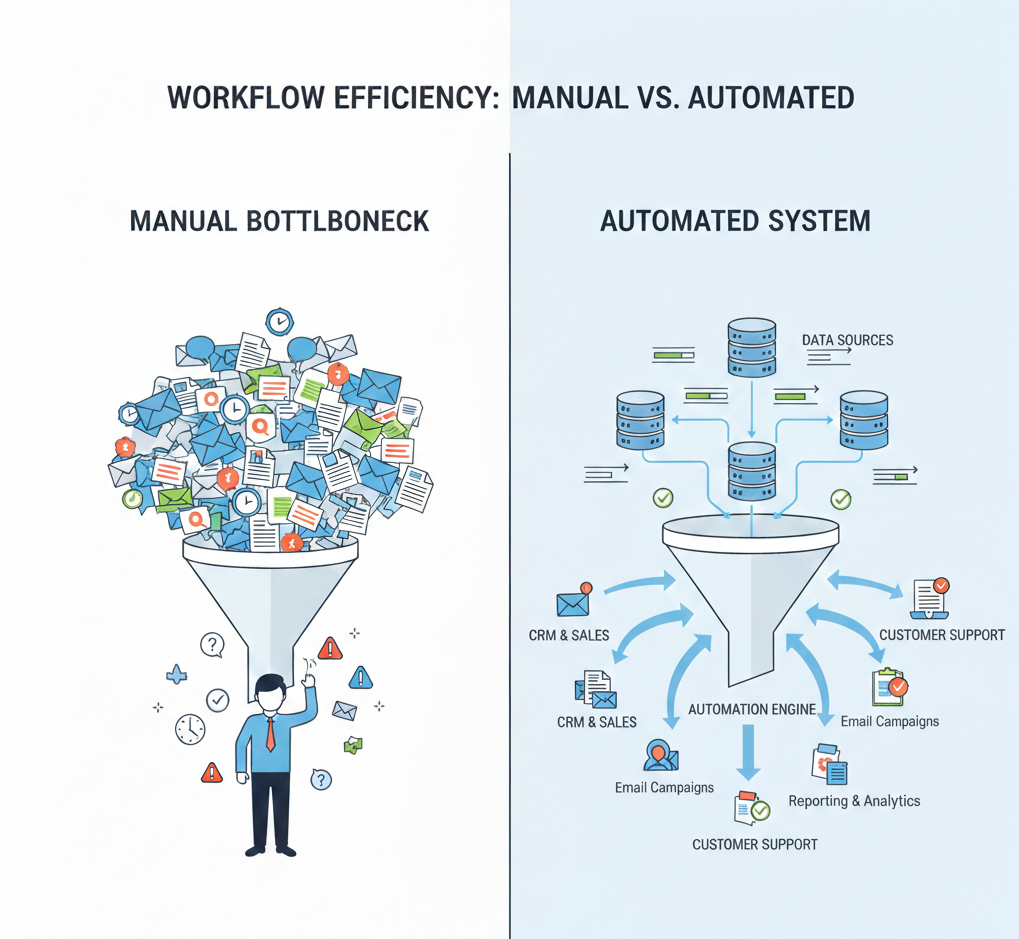
Business automation for small business becomes necessary when the tools that once felt simple like WhatsApp and spreadsheets start collapsing under growth. Many small and growing businesses rely on these tools to run daily operations until their limits become impossible to ignore.
Most small businesses don’t fail because the founder isn’t smart.
They fail because the systems that worked at the beginning quietly collapse under growth.
At first, everything lives on WhatsApp. Orders. Clients. Team instructions.
Then comes the spreadsheet. Tracking payments. Delivery status. Expenses.
It works. Until it doesn’t.
This article isn’t about shaming manual tools. It’s about telling the truth that most founders avoid:
WhatsApp and spreadsheets don’t break because they’re bad. They break because your business outgrows them.
If growth feels stressful, chaotic, or fragile, this is for you.
Why WhatsApp and Spreadsheets Feel Like “Enough”
WhatsApp and spreadsheets survive early-stage businesses because they offer three things founders need desperately:
Speed — no setup, no onboarding
Control — everything is visible and personal
Flexibility — rules can change daily
In the beginning, this is perfect.
You’re experimenting. You’re learning. You’re close to every customer.
Automation too early would actually slow you down.
So yes, the starting manual is not a mistake.
Staying manual forever is.
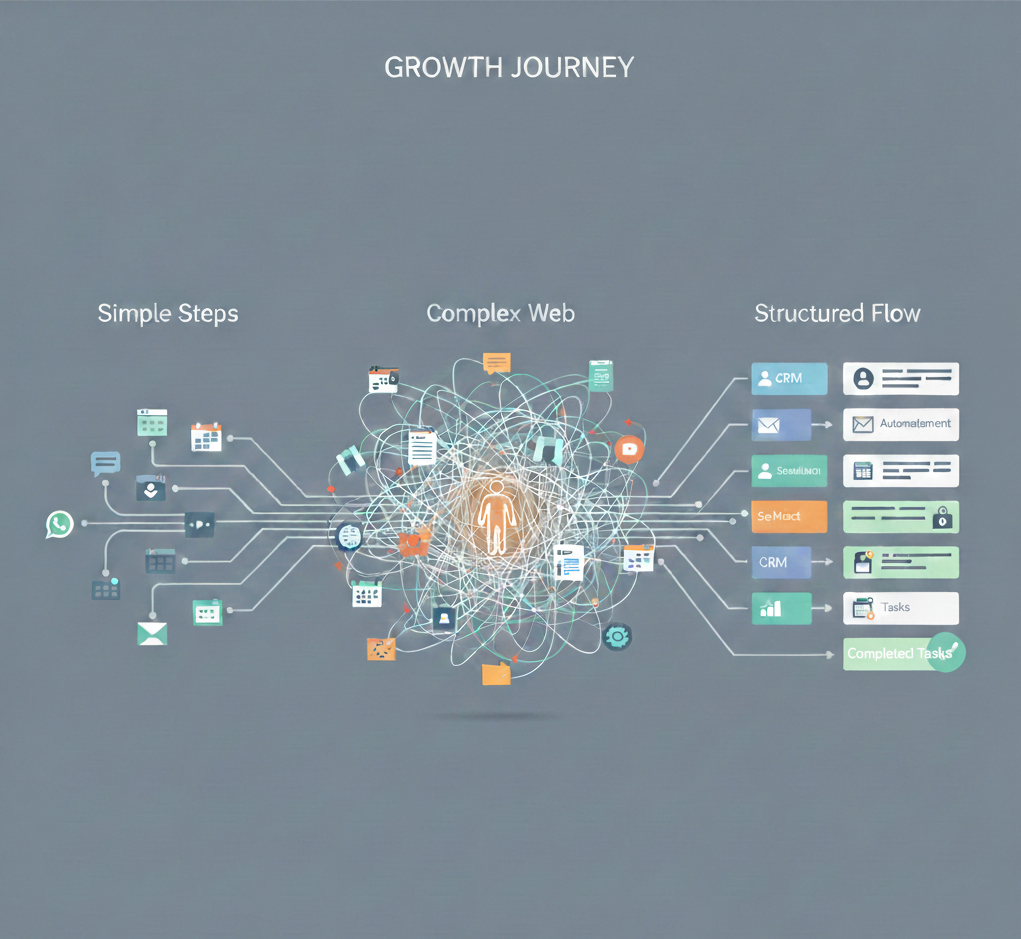
The Real Problem Isn’t Volume, It’s Complexity
Most founders wait for “more customers” before thinking about automation.
That’s the wrong signal.
The real trigger is complexity.
Complexity shows up when:
One customer has multiple requests
One order affects multiple people
One mistake creates a chain reaction
One spreadsheet depends on another spreadsheet
At this point, effort increases faster than results.
You’re busy, but progress feels thin.
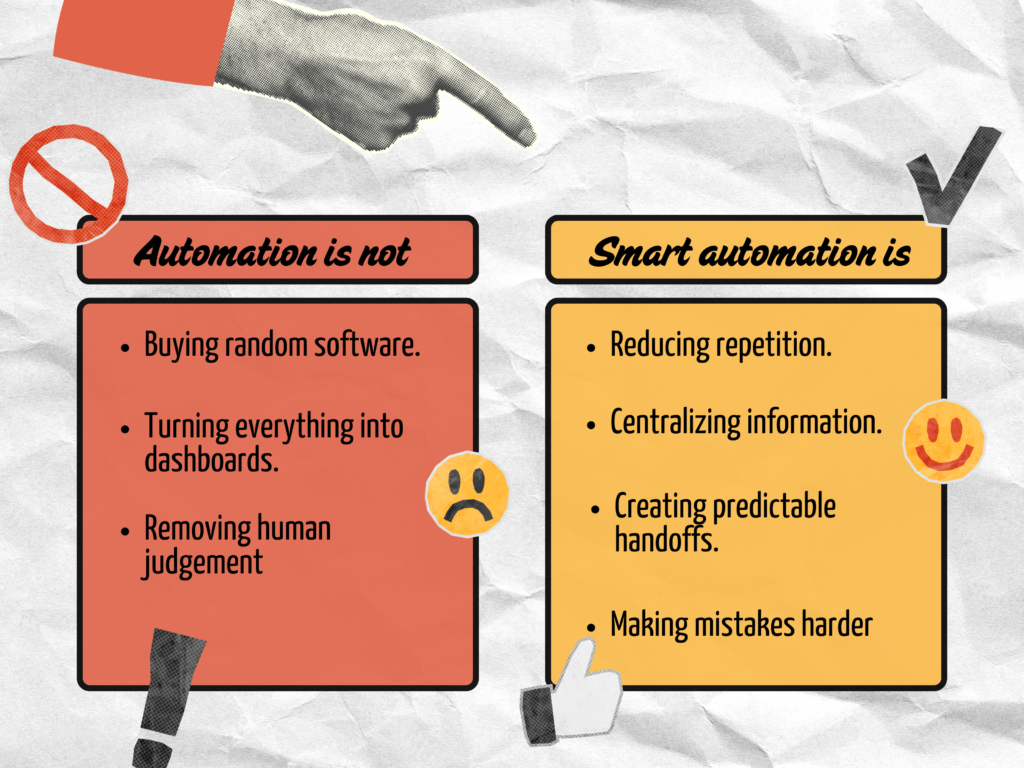
That’s not a hustle problem. That’s a systems problem.
Clear Signs WhatsApp and Spreadsheets Are Actively Hurting Growth
Quick Answer: Businesses should automate when manual tools cause repeated data entry, missed follow-ups, unclear reporting, and when the founder becomes the bottleneck for daily operations.
Be honest. If more than one of these is true, your systems are already costing you money.
These signs aren’t just inconveniences, they’re early signals that business automation for small business is overdue.
1. You Re-Type the Same Information Daily
Customer details move from WhatsApp → Excel → another sheet → someone else’s phone.
Every copy-paste is a failure point.
2. You Are the “System”
If you can’t step away for 48 hours without everything falling apart, you don’t own a company — your company owns you.
3. You Can’t See the Business Clearly
You have data, but not insight.
Spreadsheets tell you what happened, not what’s about to break.
4. Growth Feels Dangerous
More customers don’t excite you.
They worry you.
That’s the clearest sign your tools are too small for your ambition.
What Business Automation for Small Business Actually Looks Like
Done right, business automation for small business creates stability without removing human judgment.
What to Automate First
Don’t start with the entire business.
Start where friction is loudest.
1. Customer & Order Capture
Stop relying on chat history. Forms, structured pipelines, or lightweight CRMs turn conversations into usable data.
Tool suggestions:
Google Forms / Tally– simple data capture linked to spreadsheets or dashboards
HubSpot CRM (Free) – structured customer records and pipelines
Zoho CRM / Notion CRM setups – lightweight, customizable systems for SMEs
2. Follow-Ups and Status Updates
If humans are responsible for remembering reminders, reminders will fail.
Automation doesn’t forget.
Tool suggestions:
WhatsApp Business + Auto-replies – basic automation for common responses
Zapier / Make– trigger follow-ups when forms are submitted or payments are made
Slack or WhatsApp notifications via Zapier/Make – automatic alerts
Simple workflow automations that assign tasks when stages change
How to Automate Without Breaking What Already Works
The fastest way to fail is trying to rebuild everything at once.
Instead:
Document your current process, even if it’s ugly
Identify where delays or errors happen most
Automate one workflow end-to-end
Test it in real conditions
Improve, then expand
Good systems feel boring.
That’s how you know they’re working.
Automation Doesn’t Create Clarity, It Exposes It
If your process is unclear, automation will amplify the confusion.
Tools don’t fix thinking.
Before automation works, you must answer:
Who owns this step?
What triggers the next action?
What does success look like?
Once clarity exists, automation becomes powerful.
Ready to Build Systems That Match Your Growth?
At Uptouch Media Labs, we help founders replace fragile, manual workflows with clear, scalable business systems without over-engineering or unnecessary tools. The goal of business automation for small business is simple: build systems that grow without breaking.
Learn more about our approach to business systems and workflow automation or explore how we help founders design scalable operations.
Stop managing chaos, build systems that let your business grow without breaking
Why digital marketing fails for most businesses has little to do with ads.
You’ve boosted the posts. You’ve hired a “social media manager” to post three times a week. You’ve even pumped a significant budget into Meta and Google Ads, targeting “luxury seekers” in Abuja.
Yet, the phone isn’t ringing, the emails are silent, and the only thing growing is your sense of frustration.
The most common reaction for Nigerian SMEs is to blame the platform. “Facebook is dead,” they say. “The algorithm is rigged,” or “Nigerians don’t buy online.”Here is the hard, contrarian truth: Your ads are likely doing exactly what you paid them to do, which is generating clicks. The reason those clicks aren’t turning into cash has nothing to do with your ads and everything to do with your business infrastructure.
In a market defined by a massive trust deficit and high data costs, an ad is just a handshake. If your business isn’t ready for the conversation that follows, you aren’t marketing; you’re just donating.
Why Digital Marketing Fails After the Click: Bridging the Gap
To optimize your marketing, you need to look beyond the Meta Ads Manager dashboard and into the Customer Journey. In the Nigerian digital landscape, an ad is only 10% of the battle. The other 90% happens after the click. If your sales are stagnant despite high traffic, you aren’t suffering from a “bad algorithm”; you are suffering from a leaky bucket.
Before you change another headline or swap out an image, you need to audit the “After-the-Click” experience. Here are the three structural leaks that are likely draining your budget and killing your ROI:
1. The Trust Deficit: Why Your “Good Ad” Fails
In Nigeria, the default setting for every consumer is skepticism. Before they give you ₦1, they are looking for reasons to disqualify you.
If a prospect clicks your professional-looking ad and lands on a website that is “under construction,” or an Instagram page where the last post was from 2024, they don’t see a business; they see a potential scam.
Authority is the only currency that bypasses skepticism. If you haven’t built a digital footprint that conveys “Expertise” and “Reliability” (through SEO-optimized educational content, testimonials, and a polished UI), your ads are simply introducing people to a brand they don’t yet trust.
2. The “WhatsApp Dead-End” and the Friction Tax
Many Nigerian service businesses send all their ad traffic to WhatsApp. While WhatsApp is great for closing, it is often where high-ticket sales go to die.
The Response Gap: If a lead messages you at 2:00 PM and you reply at 6:00 PM, they’ve already moved on to your competitor.
The Information Barrier: If your “landing page” is just a WhatsApp chat where the customer has to ask “How much?” or “What do you do?”, you are creating friction.
The Data Tax: If your website takes 10 seconds to load on a standard 4G connection, you’ve lost 70% of your traffic before they even see your headline. In Nigeria, slow loading isn’t just an inconvenience; it’s an expensive waste of the customer’s data.
3. You’re Buying “Attention,” Not “Intent.”
Most SMEs optimize for “Engagement” (likes and comments) because it feels good. But engagement is a vanity metric.
If you are a Real Estate developer in Wuse or a Consultant in Maitama, you don’t need 10,000 “likes” from people who can’t afford your service. You need 10 leads from people searching for exactly what you offer.
The “Real Reason” your marketing fails is often a lack of Search Intent. While social media ads interrupt people while they are viewing memes, Search Marketing (SEO) captures them when they are actively seeking a solution. If you aren’t visible when your customers are searching, you’re missing the highest-converting traffic available.
How Uptouch Media Labs Fixes the Leak
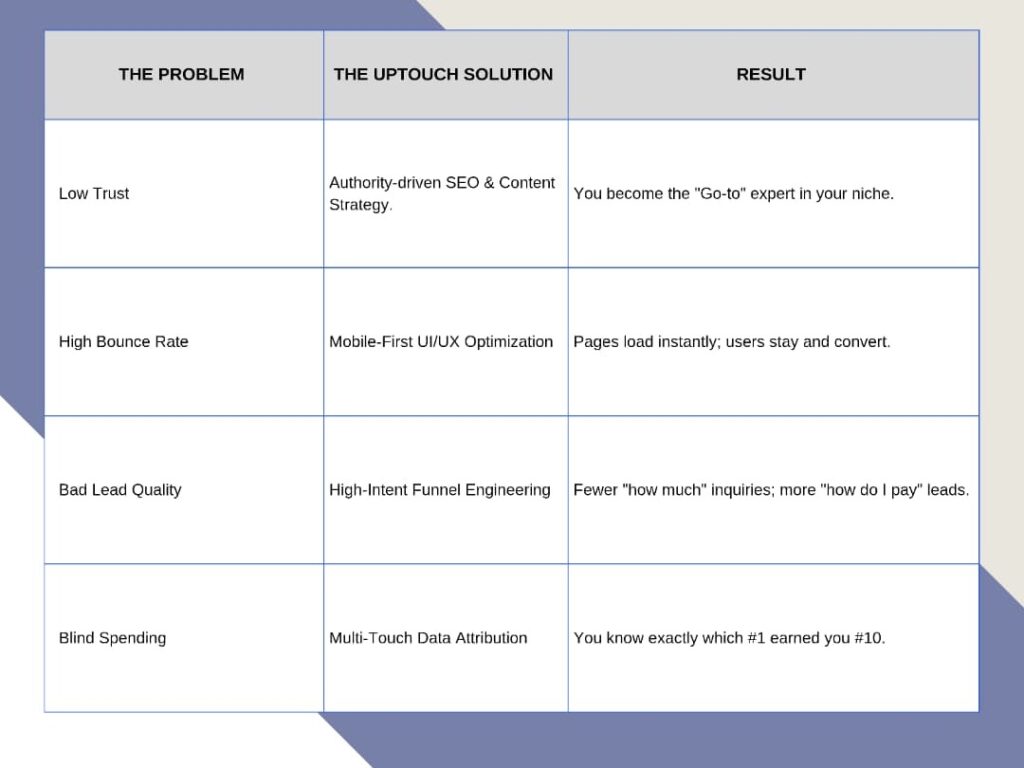
At Uptouch Media Labs, we don’t believe in marketing by trial and error. We build Conversion Engines specifically designed for the Nigerian business landscape. We move beyond the “Ad Dashboard” to look at your entire digital ecosystem.
Stop Running Ads, Start Building an Asset
Digital marketing in 2026 is no longer a game of “who can spend the most.” It’s a game of who can be the most trusted and the most seamless. If your marketing feels like a “black hole” for your budget, it’s time to stop tinkering with your ad copy and start fixing your infrastructure. You don’t have a traffic problem; you have a conversion problem.
Would you like Uptouch Media Labs to perform a “Digital Friction Audit” on your current sales funnel to identify exactly where you are losing money?
An SEO checklist for Nigerian SMEs is essential for any business that wants to get found on Google. While having a website is important, the real challenge for many Nigerian SMEs is ensuring their customers can actually discover them online.
With increasing competition, rising ad costs, and more Nigerians searching online before making buying decisions, Search Engine Optimization (SEO) is no longer optional; it’s essential.
This checklist is for you if:
“You have a website, but no steady leads.”
“You rely heavily on Instagram or ads.”
“You want customers to find you organically on Google.”
Step 1: Set Up the Basics Correctly
Before advanced SEO tactics, ensure your foundation is solid. Without these tools, you are flying blind.
Each page on your website should target one main keyword. Google needs to know exactly what a page is about within seconds.
URLs & Titles: Include your main keyword.
Clear Headings: Use H1, H2, and H3 tags to structure your content.
Meta Descriptions: Write a compelling “ad” for your page that shows up in search results.
Image Alt-Text: Give your images descriptive names so Google can “see” them.
Step 4: Create Helpful, Relevant Content
Google rewards websites that consistently provide value. As an SME, your content should answer the questions your customers are already asking:
How your service works or pricing explanations.
Industry tips (e.g., “How to effectively get rid of bedbugs”).
Case studies and FAQs.
Step 5: Master Local SEO (The Nigerian Advantage)
If you serve customers in specific neighborhoods or cities, Local SEO is your secret weapon. Most Nigerians search for “near me” or “[Service] in [City].”
Claim your Google Business Profile: Ensure your hours and phone number are 100% accurate.
NAP Consistency: Your Name, Address, and Phone number must be identical across your website and social media.
Reviews are Gold: Ask your happy customers to leave a review while they are still at your place of business.
Pro-Tip: Add a Google Map to your “Contact Us” page to help Google verify your physical location.
Step 6: Improve Website Speed and Mobile Experience
Most Nigerians browse the internet on mobile devices. Ensure your website:
Loads quickly, even on slow networks
Is mobile-friendly
Has simple navigation
Step 7: Build Credibility With Links and Mentions
Backlinks (where other websites link to yours) signal trust to Google.
Collaborate with local industry blogs or news publications.
Quality matters more than quantity; one link from a reputable Nigerian site is better than 50 from random global sites.
Common SEO Mistakes Nigerian SMEs Should Avoid
Stuffing Keywords Unnaturally: Write for humans, not just robots.
The “Ghost Town” Profile: Setting up a Google Business Profile but never adding photos or replying to reviews.
Copy-Paste Content: Stealing text from foreign competitors. Google rewards original, local expertise.
Expecting Overnight Results: SEO is a marathon. The businesses that stay consistent are the ones that eventually own the market.
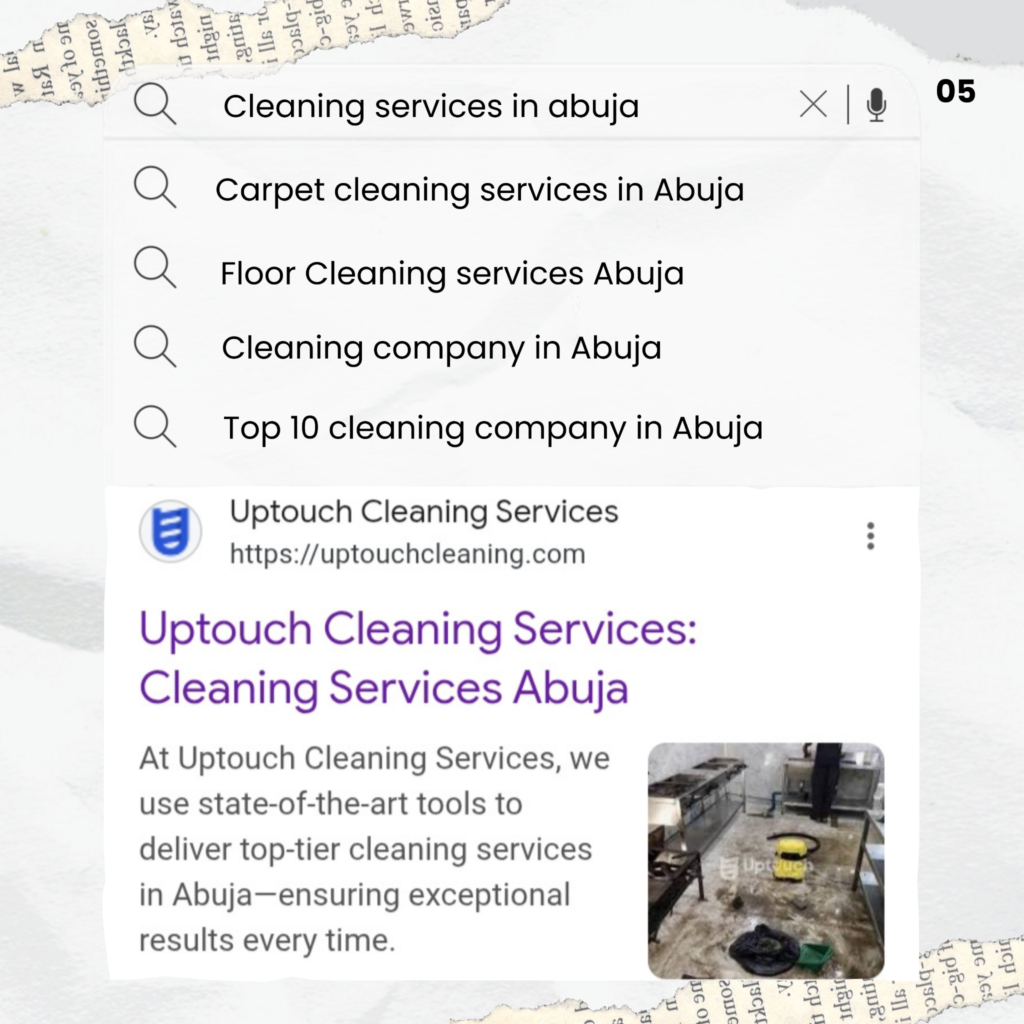
Case Study: How We Built a Lead-Generation Machine for Uptouch Cleaning Service
Proof that smart design + strategic SEO = Business Growth.
The Challenge
When we at Uptouch Media Labs took on the design for Uptouch Cleaning Service, they were invisible on search engines. They were stuck in the “social media hamster wheel,” only getting leads when they paid for ads.
Our Approach
To position Uptouch Cleaning Service for sustained organic growth, we implemented a focused, results-driven SEO strategy:
Mobile-First Website Design Built a fast, mobile-optimized website to match how Nigerian customers search and engage online.
Technical SEO Foundation Established a clean, secure, and crawl-friendly site architecture to support long-term search visibility.
XML Sitemap Submission Submitted structured sitemaps to ensure priority pages were discovered and indexed efficiently by Google.
Speed & Performance Optimization Optimized page load times to improve user experience, reduce bounce rates, and support higher rankings.
Clear Site Structure & Page Hierarchy Implemented logical content structure to help search engines quickly understand page relevance.
Intent-Driven Keyword Optimization Optimized pages around high-value, local search terms with clear commercial intent.
Meta Title Optimization Crafted keyword-focused titles to increase visibility in competitive search results.
Meta Description Optimization Wrote compelling descriptions designed to improve click-through rates, not just rankings.
Local SEO Alignment Strengthened location-based visibility by aligning website signals with Google Business Profile data.
Trust & Conversion Optimization Integrated reviews, clear contact paths, and enquiry forms to turn traffic into qualified leads.
The Result
Uptouch Cleaning Service now consistently ranks on Page One of Google for multiple core service keywords. The business receives a steady flow of high-quality inbound enquiries directly from search without spending a Naira on paid advertising.
What started as a simple website project has become a reliable revenue-generating digital asset.
Stop Chasing Leads. Start Attracting Them.
SEO is one of the most cost-effective ways for Nigerian SMEs to attract consistent, high-quality customers. But you don’t have to do it alone.
At Uptouch Media Labs, we specialize in helping Nigerian businesses build visibility, authority, and growth through expert web design and smart SEO strategies. Whether you need a new website or want to fix your current search rankings, we are here to help.
In Nigeria’s fast-growing digital economy, founders are building products that must operate in a challenging environment with inconsistent internet, rising operational costs, global competition, and users who expect speed, reliability, and simplicity from the outset.
Your tech stack determines whether your startup scales or crashes.
It’s not just about what your developers prefer.
It’s about selecting tools that align with your business goals, budget, team structure, and long-term vision.
This guide breaks down what Nigerian founders must consider when choosing a scalable tech stack in 2026.
What exactly is a “Tech Stack”?
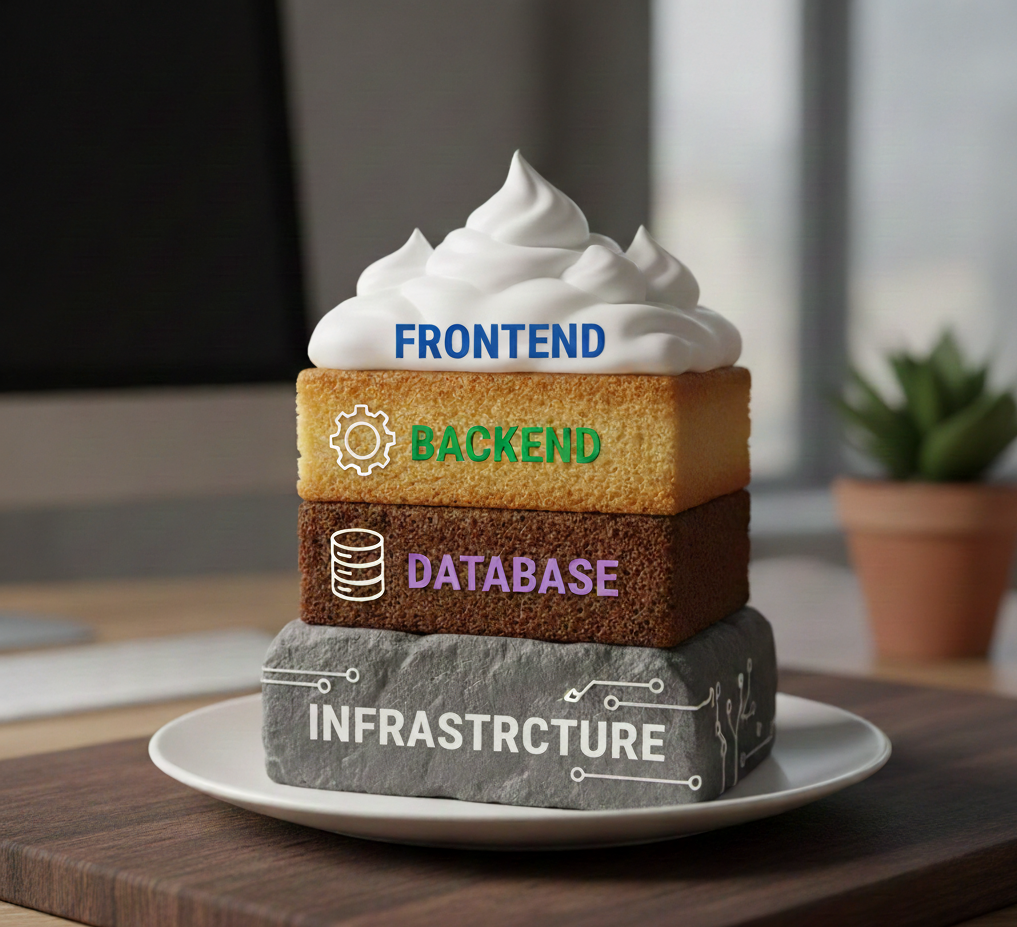
A tech stack is the combination of tools and technologies used to build and run your product. It typically includes:
Frontend (user interface): Tools used to build what users see and interact with on a website or app.Examples:HTML, CSS, JavaScript, React, Next.js, Flutter.
Backend (business logic): Tools that power the behind-the-scenes functions like processing data, authentication, and API logic. Examples:Node.js, Express, Django, Laravel, Spring Boot.
Database (data storage and retrieval): Systems used to store, organize, and access application data. Examples: PostgreSQL, MySQL, MongoDB, Redis.
Infrastructure (hosting, DevOps, cloud): The environment where your app runs, including servers, deployment tools, and cloud services. Examples: AWS, Google Cloud, DigitalOcean, Docker, GitHub Actions.
Third-party integrations (authentication, payments, notifications): External services added to your app to enable specific features quickly and reliably. Examples: Paystack, Firebase Auth, Twilio, Stripe.
Why the Right Tech Stack Matters for Startups
Startups thrive on speed, flexibility, and scalability. A poor tech stack choice can lead to:
Slower development cycles
High infrastructure costs
Difficulty hiring developers
Poor product performance
But when chosen right, it becomes a strategic advantage.
Start With Your Business Needs, Not Technology.
Founders often begin with the wrong question:
“What framework should we use?”
The correct approach is to begin with:
“What business problem are we solving, and what capabilities does the solution require?”
Your stack should reflect:
A. The Stage of Your Startup
MVP stage: prioritize speed, affordability, and ease of iteration.
Growth stage: prioritize scalability, performance tuning, and modular architecture.
B. The Team You Have
Choose technologies your developers can work with confidently.
A skilled Node.js team will outperform a struggling Go or Java team every time.
C. Your Budget
Some technologies demand higher hosting fees, more specialized developers, or complex infrastructure.
Match Your Stack to Your Product Type
Different product categories require different capabilities. Below is a curated guide for Nigerian startups:
A. Marketplaces and Platforms (eCommerce, Logistics, Services)
In 2025, one of the most Googled questions among Nigerian businesses is simple:
“How much does a website cost?”
But behind that question is frustration, the kind that comes from getting seven different price quotes that sound like they came from seven different planets:
₦80,000 for a “quick website”
₦250,000 for a “professional website”
₦1.2 million for a “corporate site”
₦5 million for a “full digital experience”
Same Nigeria. Same year. Same request. So why the massive difference?
Most business owners are not actually asking for a website; they’re asking for growth, trust, brand clarity, and a digital asset that brings ROI, but the industry keeps answering with just pages and plugins.
The Harsh Truth: Most Nigerian Websites Are Just Pretty Brochures.
Most Nigerian Small and Medium-sized Enterprises (SMEs) and startups pay for websites that look good but do nothing:
No strategy
No conversion
No growth
Which in turn results in a fine website that sits on the internet like a framed picture, meaning you’re leaving hundreds of thousands of Naira in sales on the table every month. A ₦300k website with a strategy will outperform a ₦3m website without clarity.
Stop Asking “How Much?” Ask This Instead
Instead of asking: “How much should a website cost?” The better question is: “How much is the website going to help my business grow?” Because a website is only expensive when:
It doesn’t bring leads
It doesn’t increase trust
It doesn’t convert
It doesn’t support sales
It doesn’t tell your story
It doesn’t scale with you
A proper website is not a cost, it’s an asset.
And assets are evaluated by return, not price.
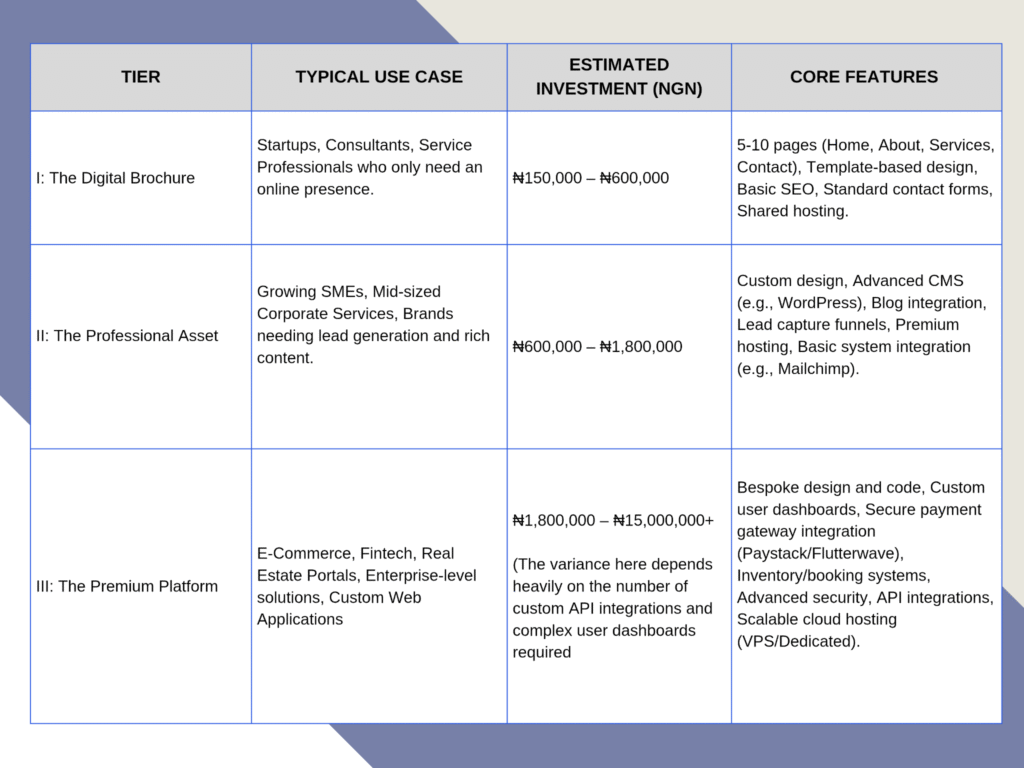
The 2025 Website Investment Tiers For Nigerian Businesses.
At Uptouch Media Labs, we categorize modern Nigerian business websites into three distinct tiers based on functionality and design sophistication. Use this blueprint to define your project scope and allocate your budget strategically.
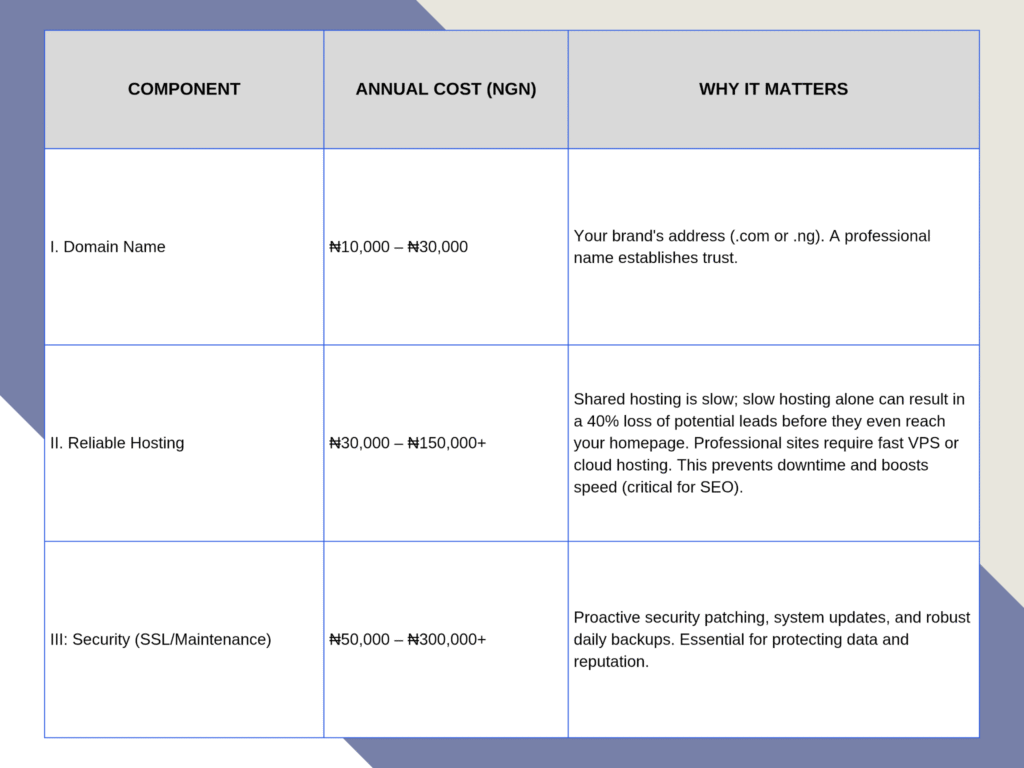
The Non-Negotiable Core Costs (Annual Recurring Fees)
Regardless of your tier, every professional website requires annual foundational costs that must be factored into your long-term budget.
The Uptouch Media Labs Signature Model
This is where Uptouch Media Labs differentiates itself. Our process is designed to ensure you’re not just paying for a website; you’re investing in a digital asset built for clarity, trust, and measurable growth.
Step 1 — Discovery & Clarity Mapping
We uncover your business goals, audience behaviour, and positioning foundation.
Step 2 — ROI Blueprint
We create your user journey, conversion flow, SEO architecture, and funnel structure.
For example, after redesigning a client’s conversion flow, their bounce rate dropped by 47% in the first month simply because clarity replaced confusion.
Step 3 — UI/UX Experience Design
A clean, intentional, premium experience that guides users toward action.
Step 4 — Development + Integrations
Secure, fast, scalable development with modern tech stacks and essential integrations.
Step 5 — Launch + Optimization
Performance monitoring, continuous improvement, and monthly insights.
This is the strategic foundation behind every project we take on: strategy first, execution engineered for ROI.
SO HOW MUCH SHOULD YOUR WEBSITE COST?
Use this simple rule:
Your website cost = (Revenue goal × Brand positioning × Complexity) ÷ Time horizon
While every project is unique, we use this proprietary formula to ensure your investment is tied to tangible business outcomes.
If your goal is:
To look professional, the cost is low.
To convert, the cost is mid-range.
To scale, the cost is high.
To compete, the cost is premium.
Website pricing is never really about the website; it’s about the strategy behind the website.
The 2025 Mindset Shift
If your website is simply a digital version of your business card, almost any designer can build it.
But if your website is your sales engine, brand home, story space, and first impression, then the question is no longer: